The biggest differences between Korean and Chinese dermatology clinics are price (Korea costs 30-50% of China’s prices), faster adoption of advanced technology, and a treatment philosophy focused on natural-looking results. This guide compares Korean and Chinese dermatology across pricing, technology, service experience, and aesthetic approach to help you make an informed decision.
Price Comparison: How Much Cheaper Is Korean Dermatology?
This is the question most people ask first. Here are the numbers:
| Treatment | China Price (USD) | Korea Price (USD) | Korea vs China |
|---|---|---|---|
| Skin Booster (Rejuran) | $280 – $550/session | $110 – $210/session | 30-40% |
| Dermal Filler (Juvederm) | $700 – $1,800/syringe | $280 – $700/syringe | 30-40% |
| Pico Laser | $420 – $1,100/session | $210 – $420/session | 40-50% |
| Thermage (Full Face) | $2,100 – $4,200 | $700 – $1,700 | 30-40% |
| HIFU / Ultherapy | $1,400 – $3,500 | $560 – $1,400 | 30-50% |
| Gold RF Microneedling | $420 – $840/session | $140 – $350/session | 30-40% |
| IPL Photofacial | $210 – $560/session | $85 – $210/session | 30-40% |
SIA Dermatology Note: Prices above are market reference ranges. Actual costs vary by individual skin condition and treatment plan. SIA Dermatology offers transparent pricing — contact us for a detailed quote.
Why is Korea cheaper? Korea’s dermatology market is extremely competitive — there are hundreds of clinics in Seoul’s Gangnam district alone. This competition drives prices down. Additionally, Korea is the origin or Asian hub for many medical aesthetic devices and products, resulting in lower procurement costs.
Technology & Equipment: Where Korea Leads
Korean dermatology clinics have several clear advantages in technology:
Faster Equipment Adoption
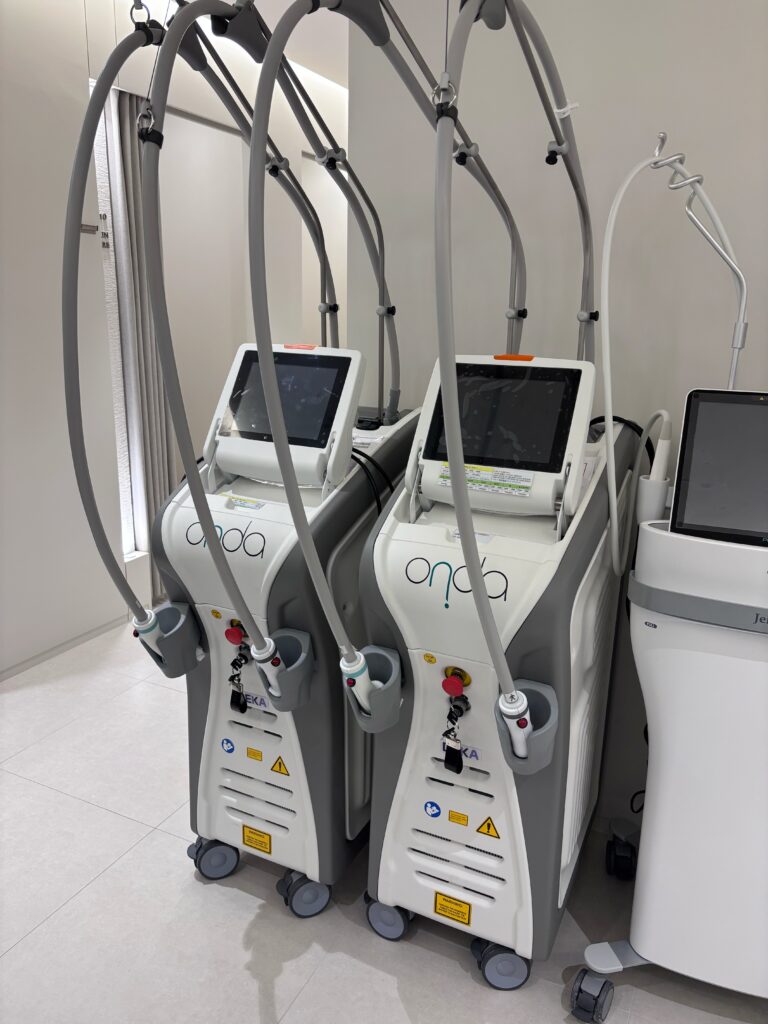
Korean clinics continuously introduce and develop advanced devices including PICO picosecond lasers, gold radiofrequency microneedling, 5th-generation Thermage, and the latest HIFU systems. Many devices enter clinical use in Korea first before reaching other Asian markets.
Precision Treatment Approach
Rather than one-size-fits-all protocols, Korean dermatologists create personalized combination treatment plans based on each patient’s skin condition, age, and goals. For pigmentation treatment, for example, a Korean dermatologist might combine Pico laser, Q-switch, and IPL across multiple sessions depending on the type, depth, and skin tone.
Minimal Downtime
Korean clinics excel at non-invasive and minimally invasive treatments. Pico laser typically causes only a few hours of mild redness. Thermage and HIFU swelling usually resolves within 24-48 hours.
Strict Physician Qualifications
In Korea, dermatologists must complete a 4-year residency at a university hospital dermatology department after medical school and pass a specialist board examination. This high professional threshold ensures treatment quality.
Service Experience: What to Expect
| Factor | China | Korea |
|---|---|---|
| Consultation | Walk-in common, wait times can be long | Appointment-based, dedicated consultation time |
| Privacy | Varies by clinic | Private treatment rooms standard |
| Language | Chinese, no barrier | Need to confirm foreign language support |
| Post-Treatment Follow-up | Varies | Most clinics provide follow-up guidance |
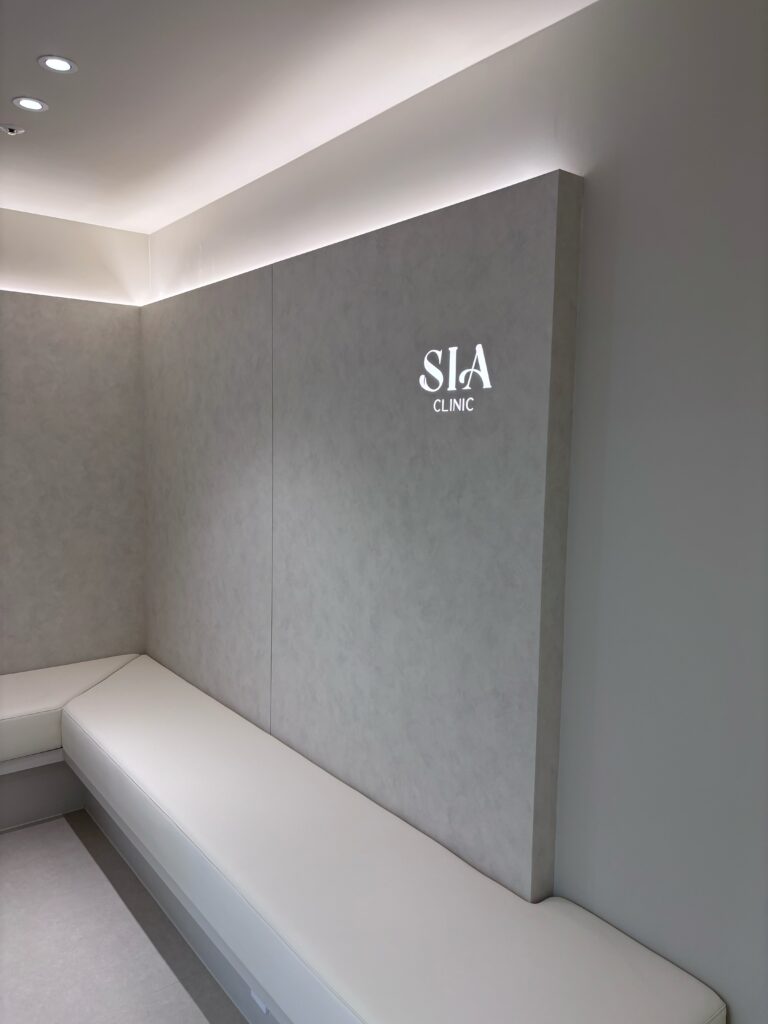
| Clinic Environment | Varies widely | Generally high standards of comfort and design |
SIA Dermatology has a dedicated Chinese-speaking consultation team providing end-to-end support — from booking and consultation to treatment and post-care follow-up — entirely in Chinese.
Aesthetic Philosophy: What Korean Clinics Aim For
This often-overlooked difference is actually crucial.
Korean dermatology prioritizes natural-looking results. Influenced by Korean beauty culture, clinics focus on skin translucency, glow, and firmness — the goal is “your skin looks amazing” rather than “you’ve obviously had work done.”
This shows in practice: skin booster injections aim for a natural “glass skin” glow rather than overfilling; laser treatments follow a gradual approach with multiple low-energy sessions rather than one aggressive treatment; anti-aging procedures focus on overall lifting rather than overtightening specific areas.
Is Korean Dermatology Worth the Trip?
Korean dermatology is ideal if: you want laser, skin booster, anti-aging, or injection treatments; you prefer natural-looking results at better prices; you can spare 2-3 days for a trip to Seoul.
Staying local may be better if: you need long-term treatment for chronic skin conditions (severe acne, eczema); your procedure requires frequent follow-up visits; travel logistics don’t work for your schedule.
For most clients seeking skin management, laser brightening, or anti-aging treatments, Korean dermatology offers a clear advantage in both price and experience.
Frequently Asked Questions (FAQ)
Q1: Do I need a visa to visit a Korean dermatology clinic?
Visa requirements depend on your nationality. Many countries have visa-free or visa-on-arrival agreements with South Korea. Medical visas (C-3-3) are also available. Check the latest entry requirements before your trip.
Q2: Is Korean dermatology treatment safe?
Korea’s medical system is strictly regulated by the government. Choose clinics certified by the Korean Ministry of Health and Welfare, and verify that your dermatologist holds a experienced specialist qualification.
Q3: What if I don’t speak Korean?
Choose a clinic with foreign language support. SIA Dermatology offers full Chinese and English consultation services throughout your entire visit.
Q4: What’s the difference between a dermatology clinic and a plastic surgery hospital in Korea?
Dermatology clinics focus on skin treatments and management (lasers, injections, light-based therapies — non-surgical procedures). Plastic surgery hospitals focus on surgical procedures (eyelid surgery, rhinoplasty, etc.). They are separate medical specialties.
Q5: Can I fly home the same day after treatment?
Most laser and injection treatments allow normal activity immediately afterward. However, we recommend staying at least one extra day to monitor recovery and allow for a follow-up visit if needed.
Want to learn more about SIA Dermatology’s treatments and pricing? Contact our multilingual consultation team for a free online consultation and personalized treatment plan.
Published by SIA Dermatology (Seoul, Korea). This content is for informational purposes only and does not constitute medical advice. Please consult a qualified dermatologist for specific treatment recommendations.