If you’ve ever visited a dermatology clinic in the US, UK, Australia, or Europe, walking into a Korean derm clinic will feel like stepping into a different world. The treatments may overlap, but the philosophy, approach, technology, and patient experience are distinctly different.
Understanding these differences helps you set the right expectations and get the most out of your Korean dermatology experience. Here’s what sets Korean clinics apart.
Treatment Philosophy: Combination vs. Single-Treatment
Western approach
In most Western countries, dermatology visits tend to focus on one concern at a time. You book an appointment for botox, get botox, and leave. If you also want laser treatment, that’s typically a separate visit. The approach is largely reactive — you come in when something bothers you.
Korean approach
Korean dermatology is built around comprehensive “protocols” — multi-treatment sessions that address skin from multiple angles simultaneously. A single visit might include laser toning, a skin booster injection, LED therapy, and a medical-grade facial. The philosophy is proactive and holistic: maintain optimal skin health rather than waiting for problems to appear.
This combination approach isn’t about upselling. Korean dermatologists genuinely believe that layering complementary treatments produces better results than any single treatment alone — and the clinical evidence supports this.
Technology and Equipment
Western clinics
Most Western dermatology practices own 3-5 devices. A typical setup might include one or two laser platforms, a HIFU or RF device, and an IPL machine. The investment cost is high, and clinics tend to use each device for years before upgrading.
Korean clinics
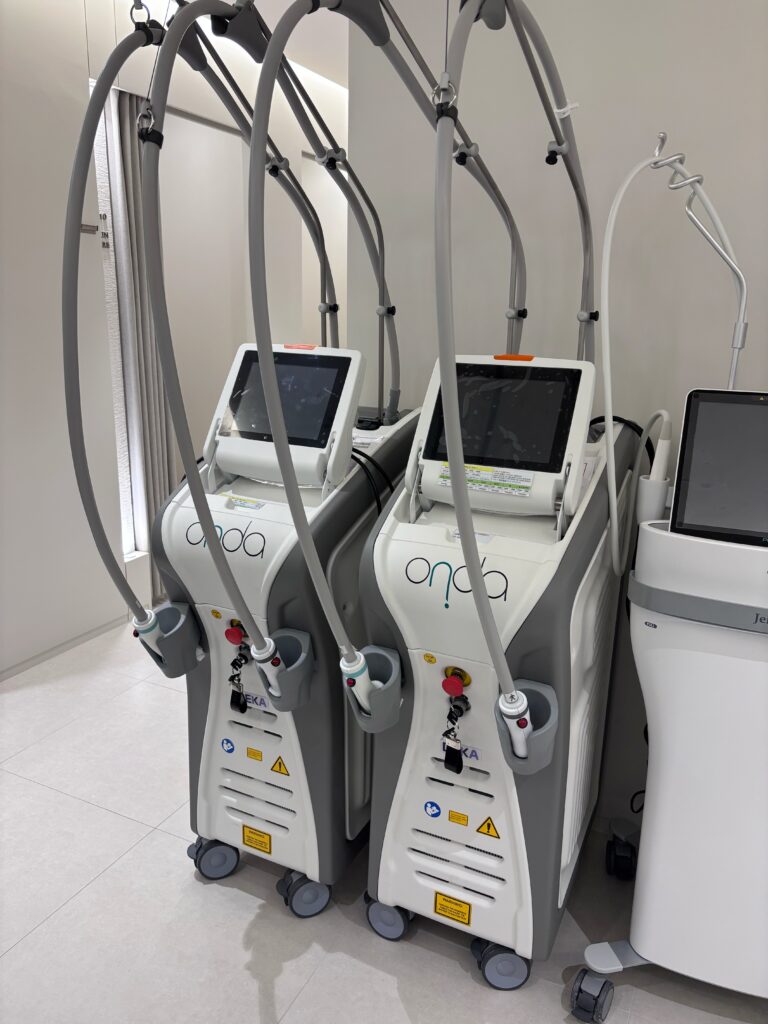
A well-equipped Korean dermatology clinic might have 10-20+ different devices. Korean clinics invest heavily in technology because patients demand the latest and competition forces clinics to stay current. It’s common for a Korean clinic to have multiple laser platforms (pico, fractional, vascular), multiple energy devices (Ultherapy, Thermage, HIFU), and specialized equipment for procedures that don’t even exist in most Western markets.
This breadth of equipment means your Korean doctor can select the exact right tool for your specific concern rather than making do with whatever device the clinic happens to own.
Pricing Structure
Western pricing
Western dermatology is expensive — partly due to lower competition, higher overhead, and in the US, the influence of insurance-based healthcare economics on cash-pay aesthetic services. A single botox session in New York can cost more than an entire multi-treatment protocol in Seoul.
Korean pricing
Korean dermatology is remarkably affordable, especially given the quality. The combination of intense market competition (thousands of clinics in Seoul alone), locally manufactured products and devices, high patient volume, and lower operating costs creates pricing that seems almost unbelievable to Western patients.
But affordability doesn’t mean cheap quality. Korean clinics compete on both price and results — a clinic that delivers poor outcomes won’t survive in such a competitive market.
The Patient Experience
Western experience
Appointments are typically scheduled well in advance (weeks to months). The visit itself is clinical and efficient. You see the doctor, discuss your concern, get treated, and leave. Post-treatment follow-up is often limited to “call us if there’s a problem.”
Korean experience
Korean clinics operate more like high-end service establishments. The typical patient journey includes a thorough consultation (often with visual aids and before/after photos), detailed explanation of the treatment plan, a comfortable procedure room, post-treatment soothing care (masks, LED therapy, cool air), aftercare product recommendations, and scheduled follow-up communication.
Many Korean clinics also offer amenities that would be unusual in Western settings: private recovery rooms, complimentary beverages, and dedicated patient coordinators who stay in touch via messaging apps before and after your visit.
Skincare Culture
Western approach to skincare
In many Western countries, dermatology visits happen when there’s a specific problem — acne, a suspicious mole, eczema. The idea of visiting a dermatologist regularly for preventive skin maintenance is less common, though it’s growing.
Korean approach to skincare
In Korea, regular dermatology visits are a normal part of skincare — not just for problems, but for ongoing skin optimization. It’s common for Korean women (and increasingly men) to visit their dermatologist monthly or quarterly for laser toning, skin boosters, and professional treatments, the same way you might visit a dentist for regular cleanings.
This preventive mindset means Korean dermatologists have enormous experience in maintaining healthy skin, not just treating damaged skin. They’re experts at subtle optimization — making good skin look great, rather than just fixing bad skin.
Doctor Specialization
Western dermatology
Western dermatologists are broadly trained across medical and cosmetic dermatology. Many split their time between medical conditions (skin cancer, eczema, psoriasis) and aesthetic treatments. Some specialize in aesthetics exclusively, but this is less common outside of major cities.
Korean dermatology
The sheer volume of aesthetic procedures in Korea has created a level of sub-specialization that doesn’t exist elsewhere. You’ll find Korean doctors who specialize specifically in laser treatment, or filler injection, or non-surgical face lifting. This hyper-specialization means your doctor has likely performed your specific procedure thousands of times.
Product Availability
Western markets
Product approval processes (FDA in the US, MHRA in the UK, TGA in Australia) are thorough but slow. Many innovative treatments developed in Korea take years to receive approval in Western markets, if they make it at all. Rejuran, for example, has been a staple in Korean clinics for over a decade but is still difficult to access in the US.
Korean market
Korea’s MFDS (Ministry of Food and Drug Safety) maintains rigorous safety standards while being more open to innovative products. Combined with Korea’s position as a global hub for aesthetic product development, this means Korean clinics can offer treatments that are simply not available anywhere else.
For international patients, this is one of the biggest draws — access to cutting-edge treatments that haven’t yet reached their home countries.
What Korean Clinics Can Learn from the West
It’s not all one-directional. Western dermatology has strengths that Korean clinics sometimes lack:
Thorough medical documentation. Western clinics typically maintain detailed medical records and provide comprehensive written treatment plans. Some Korean clinics could improve in this area.
Conservative approach to certain treatments. Western dermatologists tend to be more cautious with filler volumes and treatment frequency, which can prevent the “overdone” look that occasionally results from too-frequent treatments.
Integration with general healthcare. Western dermatologists are often better connected to the broader healthcare system, making referrals for systemic conditions that manifest on the skin.
Making the Most of Korean Dermatology
If you’re planning to visit a Korean clinic as an international patient, here’s how to maximize the experience:
- Communicate your goals clearly — bring reference photos if helpful
- Ask about combination protocols, not just individual treatments
- Take advantage of the technology breadth — your doctor may recommend treatments you hadn’t considered
- Don’t assume cheap means bad — Korean pricing reflects market dynamics, not quality
- Request detailed treatment records to share with your doctor at home
- Consider a multi-day treatment plan rather than cramming everything into one visit
Experience Korean Dermatology at SIA Clinic
SIA Clinic in Gangnam embodies the best of Korean dermatology: comprehensive treatment protocols, cutting-edge technology, experienced specialists, and a patient-first service philosophy. We provide consultations in English and Chinese, with clear treatment plans and transparent pricing.
Book a consultation to experience the Korean dermatology difference firsthand.
Related articles:
– Complete Guide to Korean Dermatology for Foreigners
– How to Plan a Korean Beauty Medical Trip: 5-Day Itinerary
– Top 10 Most Popular Korean Skin Treatments in 2026